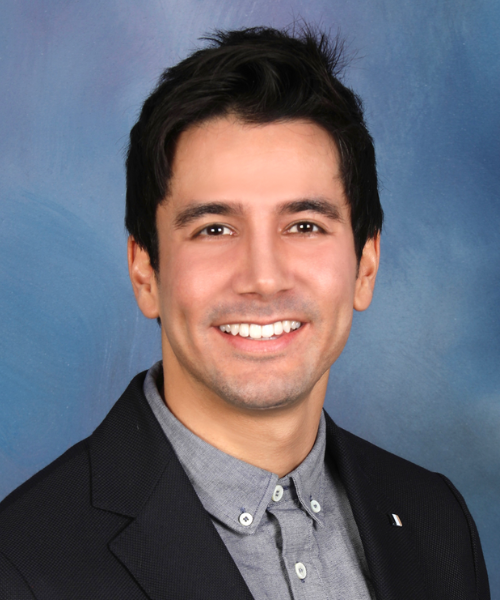
The Spanish Group, an internationally recognized and ISO-Certified translation service, has prepared a summary of the five key questions an enterprise, executive leader or individual should ask of a language translation service before committing to a project or program. The impact of precise and accurate communication cannot be understated, so finding the right translation service is paramount. But how can companies find a translator that will best meet their needs? Salvador Ordorica, CEO of The Spanish Group has summarized the essential questions to ask to ensure best language translation performance for global communication needs.
“You want a translator that is not only accurate, but culturally precise and compliant with industry standards,” said Ordorica. “The value a quality translator offers is not just in the words, but in the understanding of the context of the words and the localized cultural fit of the translation.”
In order to vet translators to make an informed decision, Ordorica suggests asking a series of key questions that will help enterprises and individuals secure accurate, culturally relevant and ISO-certified results:
1. What Is Your End-to-End Workflow and Quality Standard?
From intake to delivery, end-to-end workflow governs every step of a translator’s services and helps ensure that customers receive the quality they deserve. This process should include:
-
Project scoping and requirements gathering. This means confirming the client’s document type, regulatory requirements, terminology needs, and target audience.
-
Assignment to a certified subject-matter linguist. Good translation companies will only assign work to proven translators with experience in a specific domain. Whether it’s specialized legal, medical, technical, or immigration work, clients should find translators with the specific expertise they need.
-
Primary translation. Although people may use artificial intelligence for their casual needs, in a professional context, only human translation will do. When looking for a translation service, companies should only choose the ones that solely offer full human translation.
-
Independent review and editing. To ensure accuracy, consistency, and cultural appropriateness, The Spanish Group finds a second certified linguist to perform a full bilingual review.
-
Quality assurance and final compliance check. Quality assurance is extremely important. A translator should run formatting, terminology, and completeness checks, along with any required certification or notarization.
-
Secure delivery and archiving. Translators must value the security of clients’ data. Documents should be delivered through encrypted channels and securely stored following strict confidentiality protocols.
Before hiring a translator, it’s important for companies to find out exactly how the workflow process works, so they know what they’re getting—and whether or not it will meet their standards. Asking about each step of the workflow will provide an understanding of how translators complete their projects.
“A reputable translation partner should be able to clearly explain their full production workflow that reflects an ISO-aligned quality philosophy: Every translation is created, reviewed, and validated by certified human experts,” said Ordorica. “Our process follows a certified, multi-layered workflow designed for accuracy, compliance, and cultural precision.”
2. Who Are the Linguists for Our Domain and How Are They Vetted?
Translation is not a one-size-fits-all endeavor. Companies in different sectors—legal, medical, technical, immigration, financial, etc.—have different needs, so they should ask how much experience translators have in their field.
“Linguists should never be generalists,” Ordorica said. “A credible translation company will match you with subject-matter experts who understand the terminology, regulations, and cultural nuances of your industry.”
Clients should find out if translation companies have rigorously vetted linguists for:
-
Domain-specific expertise that includes education, certifications, professional memberships, and domain-specific testing.
-
Confidentiality and compliance agreements.
-
Ongoing performance monitoring and periodic re-certification.
-
Peer review audits to maintain consistency across translators.
“Only top-tier professionals who meet strict performance standards should be assigned to client
projects,” said Ordorica. “This ensures that your translations reflect not only linguistic accuracy, but also industry-correct terminology and regulatory compliance.”
3. How Do You Use AI and Machine Translation and How Is Our Data Protected?
This is one of the most important questions for 2025 and beyond. Clients should be confident that their data and documents are never exposed to automated systems that store, train on, or reuse content. Ask translators if they use AI or machine translation to produce or process client materials.
For data protection, translators should:
-
Not upload client documents into AI engines or external platforms.
-
Handle all files in encrypted, access-controlled environments.
-
Comply with global privacy standards, including GDPR and U.S. sector-specific requirements.
-
Only give access to client materials to authorized personnel with verified identities.
“Translations completed by human-certified linguists ensure the integrity, confidentiality, and compliance required by regulated sectors,” said Ordorica.
4. How Do Translation Memories and Glossaries Work and Who Owns Them?
Translation memories (TMs) and glossaries are essential tools for consistency—especially for enterprise clients. Glossaries define approved terminology, proper nouns, product names, and industry-specific terms, while translation memories store previously approved translations, enabling consistency and efficiency across large-scale projects.
It’s crucial for clients to ask about this issue so they understand who has ownership of each of these tools.
“At The Spanish Group, clients own their translation memories, glossaries, and all linguistic assets created for their projects. We maintain and update these assets on their behalf, but they remain their intellectual property,” said Ordorica. “This protects consistency across clients’ future translations and ensures they can transition or scale without losing critical knowledge.”
5. What Exactly Is Included in Pricing and Service Level Agreements?
Service level agreements, or SLAs, should include a detailed explanation of what services a translator will offer. Companies should find out what’s in an SLA because transparency allows clients to clearly understand what they’ll receive and ensures there are no hidden fees or surprises.
A transparent provider will draft a detailed breakdown of:
-
Costs. Does the translation company charge by the word or project? Will there be certification or notarization fees? Are there fees that are specific to an industry, such as legal formatting or sworn translation costs?
-
Schedule. SLAs should outline turnaround times and delivery guarantees, as well as revision cycles. Also, will there be emergency or expedited service options included? What are the client support response times?
-
Data security. Since translators must keep their clients’ data safe, companies should find out if the service level agreement addresses data security obligations.
“A pricing model should be fully inclusive and every translation ideally includes certified human translation, independent review, formatting, quality assurance, and final certification when required,” Ordorica said. “This level of transparency allows clients to clearly understand what they’re receiving and ensures there are no hidden fees or surprises.”
About The Spanish Group
Founded in 2013 by Salvador Ordorica, CEO, The Spanish Group is an internationally recognized ISO 9001:2015 and ISO 17100:2015 certified translation service offering 123 languages and unparalleled language precision, localization, cost effectiveness, and efficiency. The Spanish Group sets itself apart by working with certified, professionally trained linguists all over the globe who are native speakers and deeply experienced specialists in a variety of fields. The Spanish Group is trusted by Fortune 500 companies, law firms, small businesses, universities, embassies, and other governmental agencies to deliver accurate, culturally correct translations and localizations that help them operate seamlessly across multiple languages.
For more information, visit: https://thespanishgroup.org/.
Media Contact
Company Name: The Spanish Group
Contact Person: Pam Abrahamsson
Email: Send Email
Phone: 503-298-9749
Country: United States
Website: https://thespanishgroup.org/