
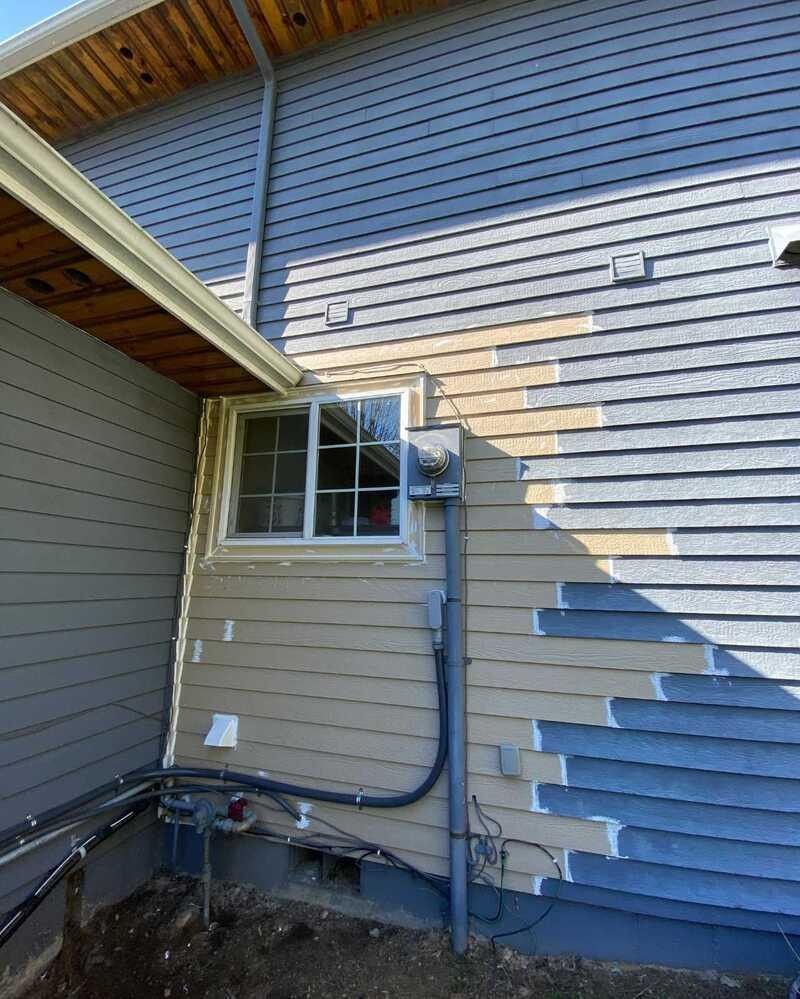
Living in a rainy area has many benefits, like lush greenery and cooler weather. But it also comes with one major challenge: moisture. Over time, constant exposure to rain and humidity can seriously damage your home’s siding. One of the biggest risks is siding rot, which can weaken your exterior walls, reduce energy efficiency, and lead to expensive repairs.
The good news is that siding rot is preventable. By choosing the right materials and using proper treatments, you can protect your home for years. In this guide, you’ll learn which siding options perform best in wet climates and how to keep them in top shape.
Why Rainy Climates Increase the Risk of Siding Rot
Rain and moisture are the main causes of siding rot. When water seeps into small cracks or unsealed joints, it can slowly soak into the material. Over time, this trapped moisture creates the perfect environment for fungal growth, leading to decay.
In rainy areas, siding is constantly exposed to:
- Frequent rainfall
- High humidity
- Poor drying conditions
- Moss and algae growth
- Wind-driven water penetration
Without the right protection, even high-quality siding materials can deteriorate faster than expected.
Signs Your Siding May Be Starting to Rot
Early detection can prevent major damage. Watch for these warning signs:
- Soft or spongy spots on siding
- Peeling or bubbling paint
- Dark stains or streaks
- Warped or cracked boards
- Mold or mildew growth
- Musty odors near exterior walls
If you notice any of these, it’s wise to seek professional advice from experts who specialize in exterior wood restoration solutions to prevent further damage.
Best Siding Materials for Rainy Climates
Not all siding materials handle moisture the same way. Choosing the right one can dramatically reduce your risk of rot.
1. Fiber Cement Siding
Fiber cement is one of the best choices for wet climates.
Why it works:
- Highly resistant to moisture
- Does not rot or warp
- Resists mold, mildew, and insects
- Long-lasting and durable
It also mimics the look of wood, giving you both beauty and performance.
2. Engineered Wood Siding
Engineered wood is treated with moisture-resistant resins and binders.
Benefits include:
- Improved resistance to swelling and rot
- Lightweight and easy to install
- Eco-friendly options available
- More affordable than solid wood
With proper sealing and maintenance, engineered wood performs well in rainy environments.
3. Vinyl Siding
Vinyl is naturally water-resistant and does not rot.
Key advantages:
- Low maintenance
- Affordable
- Easy to clean
- Resists moisture absorption
However, poor installation can allow water behind panels, which may damage the underlying structure.
4. Metal Siding (Aluminum or Steel)
Metal siding is excellent for moisture-heavy regions.
Why it’s effective:
- Does not absorb water
- Highly resistant to rot
- Long lifespan
- Fire-resistant
Proper coatings prevent rust and corrosion, making metal a strong option for rainy climates.
5. Composite Siding
Composite siding combines wood fibers and synthetic materials.
Key benefits:
- Enhanced moisture resistance
- Durable and low maintenance
- Resistant to insects and fungi
- Modern appearance options
It offers excellent protection while maintaining visual appeal.
Best Treatments to Prevent Siding Rot
Even the most durable siding materials need protection. Treatments create a moisture barrier that extends lifespan and improves performance.
1. Water-Repellent Sealants
High-quality sealants block moisture penetration.
They help by:
- Preventing water absorption
- Reducing swelling and cracking
- Protecting seams and joints
Reapplying every few years ensures continued protection.
2. Exterior Wood Preservatives
These treatments contain fungicides and insect repellents.
Benefits include:
- Prevent fungal growth
- Slow decay
- Extend siding life
They are especially useful for wood and engineered wood siding.
3. Mold-Resistant Paint Coatings
Modern paints offer built-in mildew and moisture protection.
Why they matter:
- Provide a waterproof barrier
- Reduce surface moisture buildup
- Improve appearance
Choose breathable coatings that allow trapped moisture to escape.
4. Flashing and Weather Barriers
Proper flashing around windows, doors, and corners keeps water out.
Essential benefits:
- Prevent leaks
- Reduce water infiltration
- Protect wall framing
Good drainage design is just as important as the siding material itself.
Installation Matters More Than Material
Even the best siding will fail if installed incorrectly. Common installation mistakes include:
- Poor sealing of joints
- Inadequate flashing
- Gaps around windows and doors
- Improper drainage gaps
Professional installation ensures water flows away from your home instead of behind your siding. Many homeowners rely on experts offering professional siding restoration support to identify hidden risks and correct moisture issues early.
Maintenance Tips to Prevent Siding Rot
Preventing rot requires ongoing care. Here’s how you can protect your siding year-round:
- Inspect siding twice a year
- Clean mold, dirt, and algae regularly
- Repaint or reseal as recommended
- Repair small cracks immediately
- Keep gutters clean and functional
- Ensure proper yard drainage
Routine maintenance saves thousands in repair costs and keeps your home structurally sound.
Why Early Action Is So Important
Ignoring small signs of rot can lead to:
- Structural weakening
- Higher energy bills
- Interior water damage
- Mold growth inside walls
- Costly structural repairs
Early intervention prevents moisture from spreading and protects the framing behind your siding.
Choosing the Right Siding Strategy for Rainy Regions
Rainy climates demand smarter siding choices. The right material, paired with professional installation and protective treatments, creates a powerful defense against moisture.
The best approach includes:
- Moisture-resistant siding
- Proper sealing and flashing
- Regular inspections
- Preventive treatments
This combination ensures long-term durability and peace of mind.
Final Thoughts
Siding rot is a serious threat in wet climates, but it is also highly preventable. Choosing durable materials like fiber cement, vinyl, or composite siding and applying proper treatments can dramatically reduce your risk.
Regular maintenance and early inspections play a key role in protecting your home’s structure. With the right strategies in place, your siding can withstand years of rain while maintaining strength, beauty, and value.